Practice Notes
Farm technology on Kenyan farms - sensors, drones, apps and machines - judged by what the instruments recorded rather than by what the brochure promised.
Agriculture sensor prices in Kenya: what each level buys
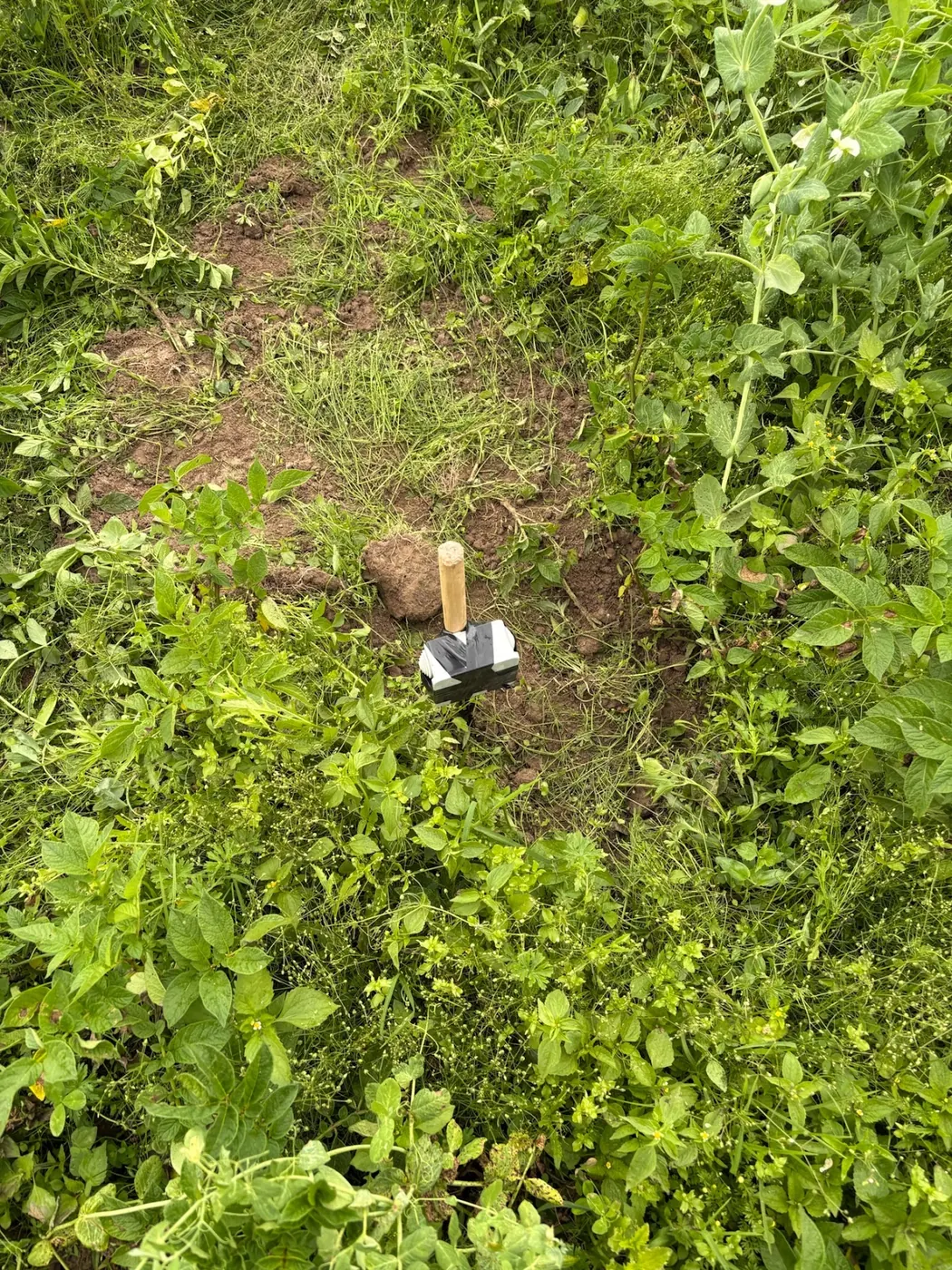
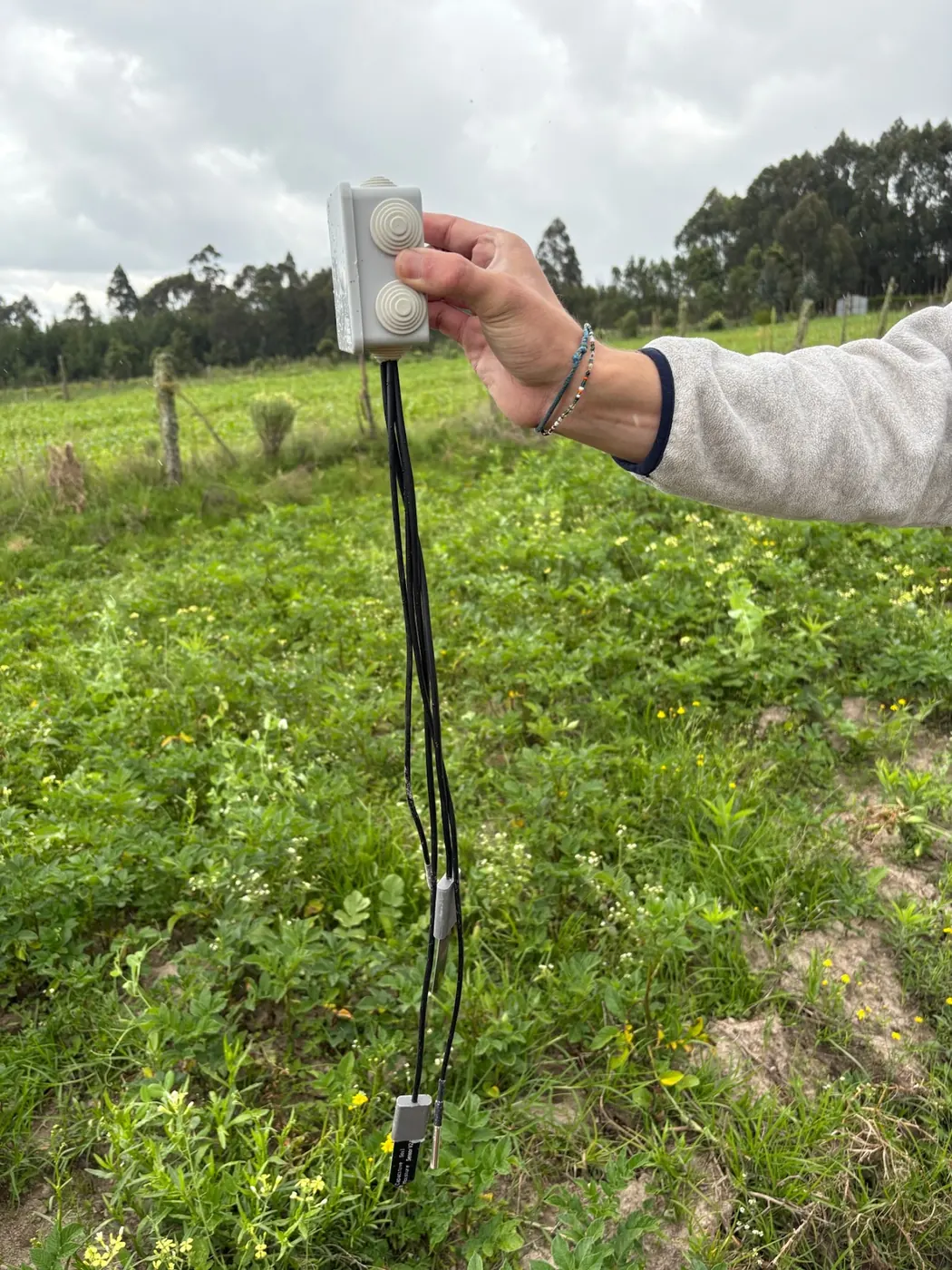
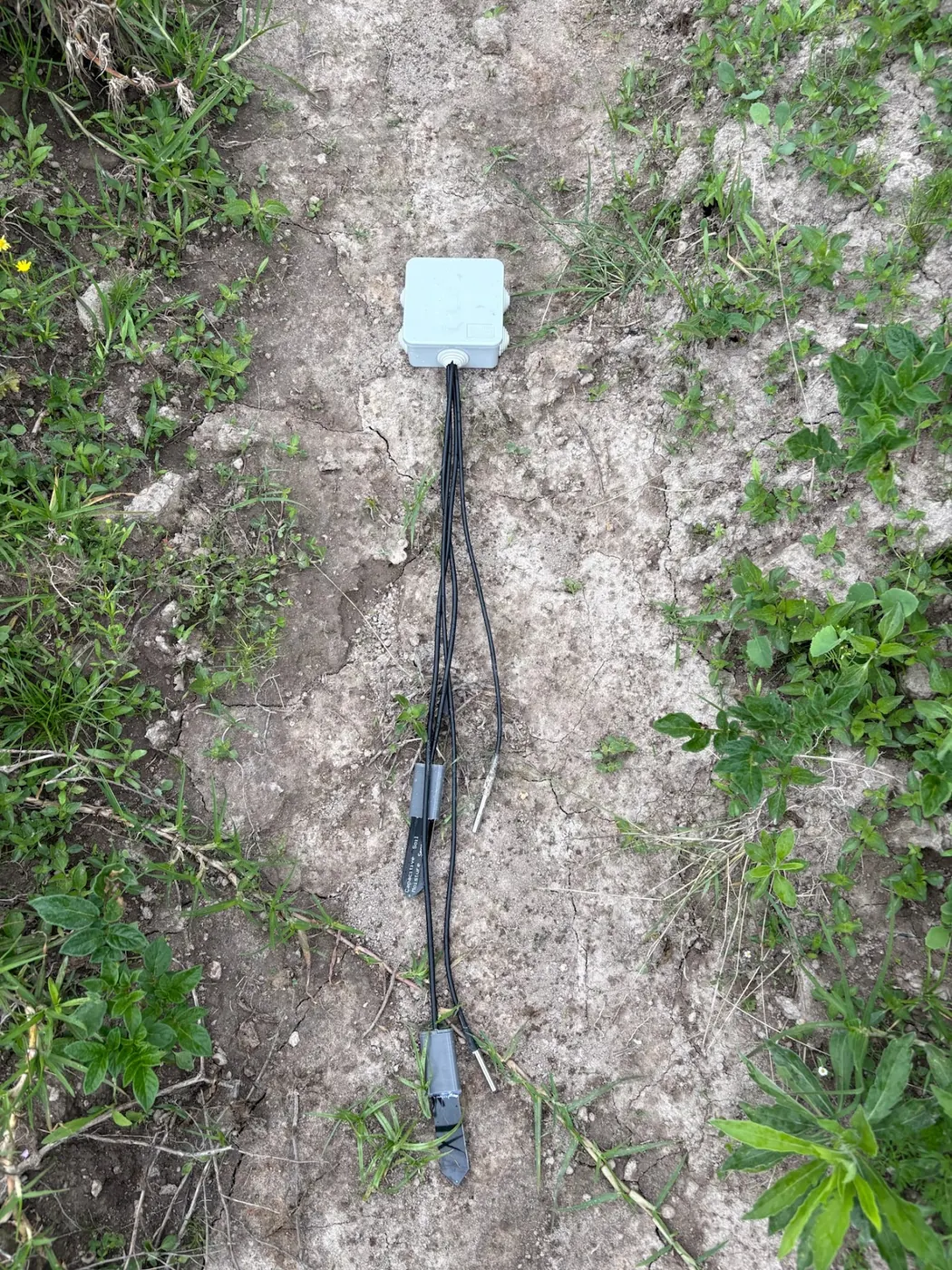
A NuaSense station runs KES 30,000 and a soil sensor KES 7,000 to 10,000, before tax. But calibration, batteries, chewed cables and somebody actually reading the dashboard are the costs that never appear on the receipt.
Agritech in Kenya: which tools a smallholder can put to work
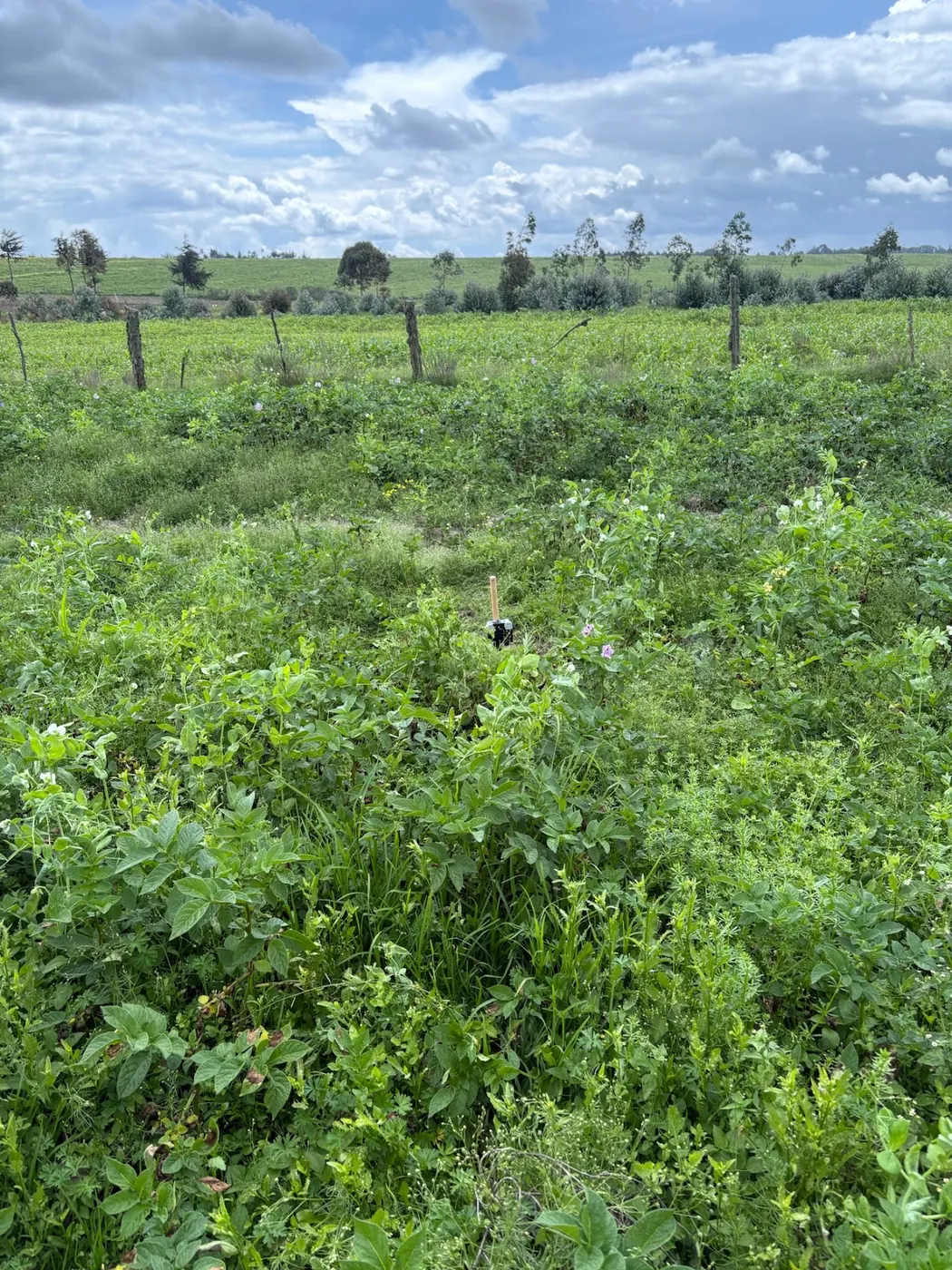
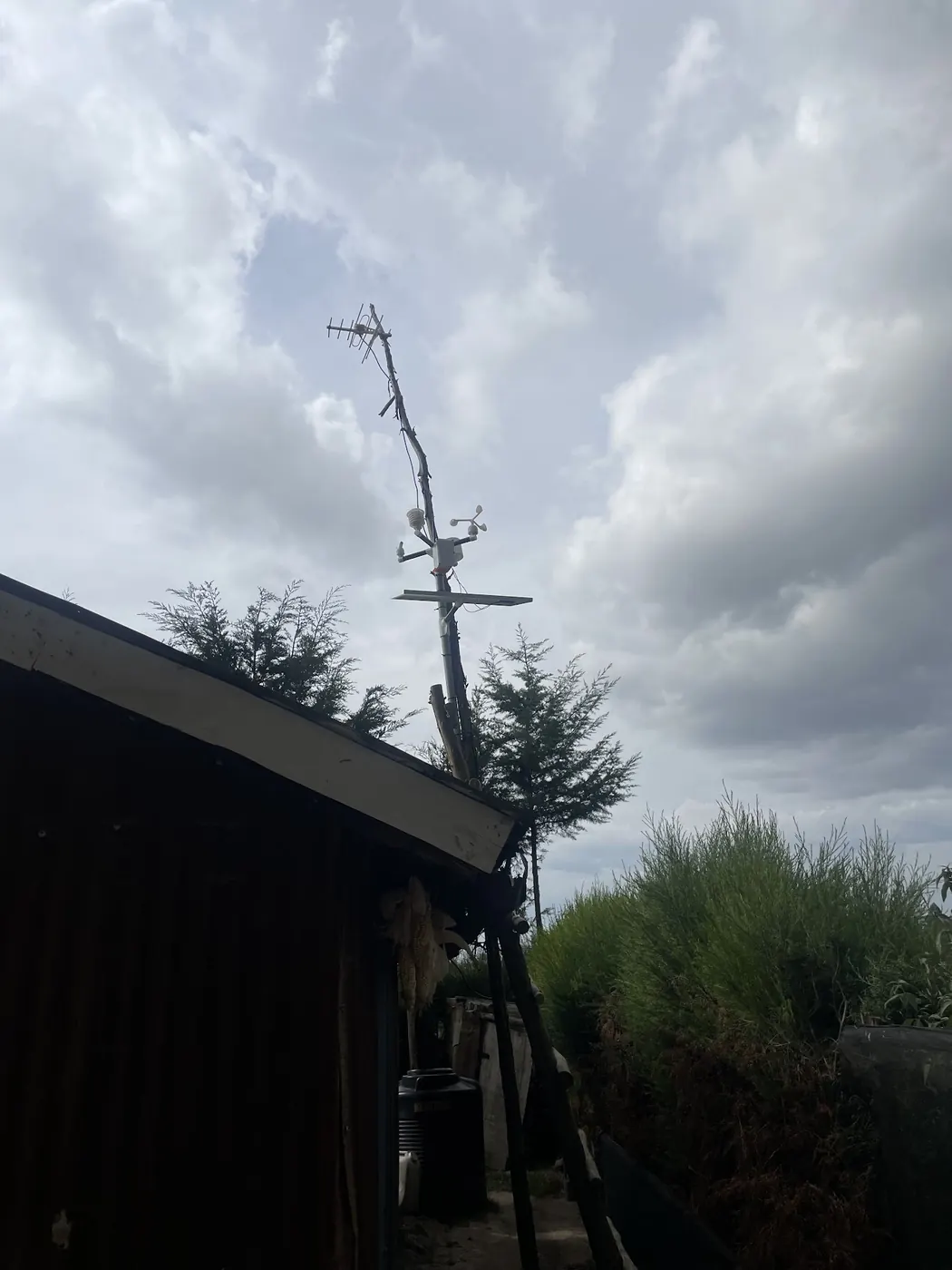
Maize yields rise from about two tons a hectare to five or seven when inputs, mechanisation and training arrive together, not from any one device. Some tools here cost nothing; a weather station costs KES 30,000.
Spray drones in Kenya: the cost per acre against a knapsack
At one Kenyan demonstration a drone covered an acre in eight minutes from a 30-litre tank. Almost every other figure here comes from trials abroad, and Kenya still has no dilution guide for drone spraying. Questions to ask an operator before you pay.
Tractor hire against the ox plough on a smallholding
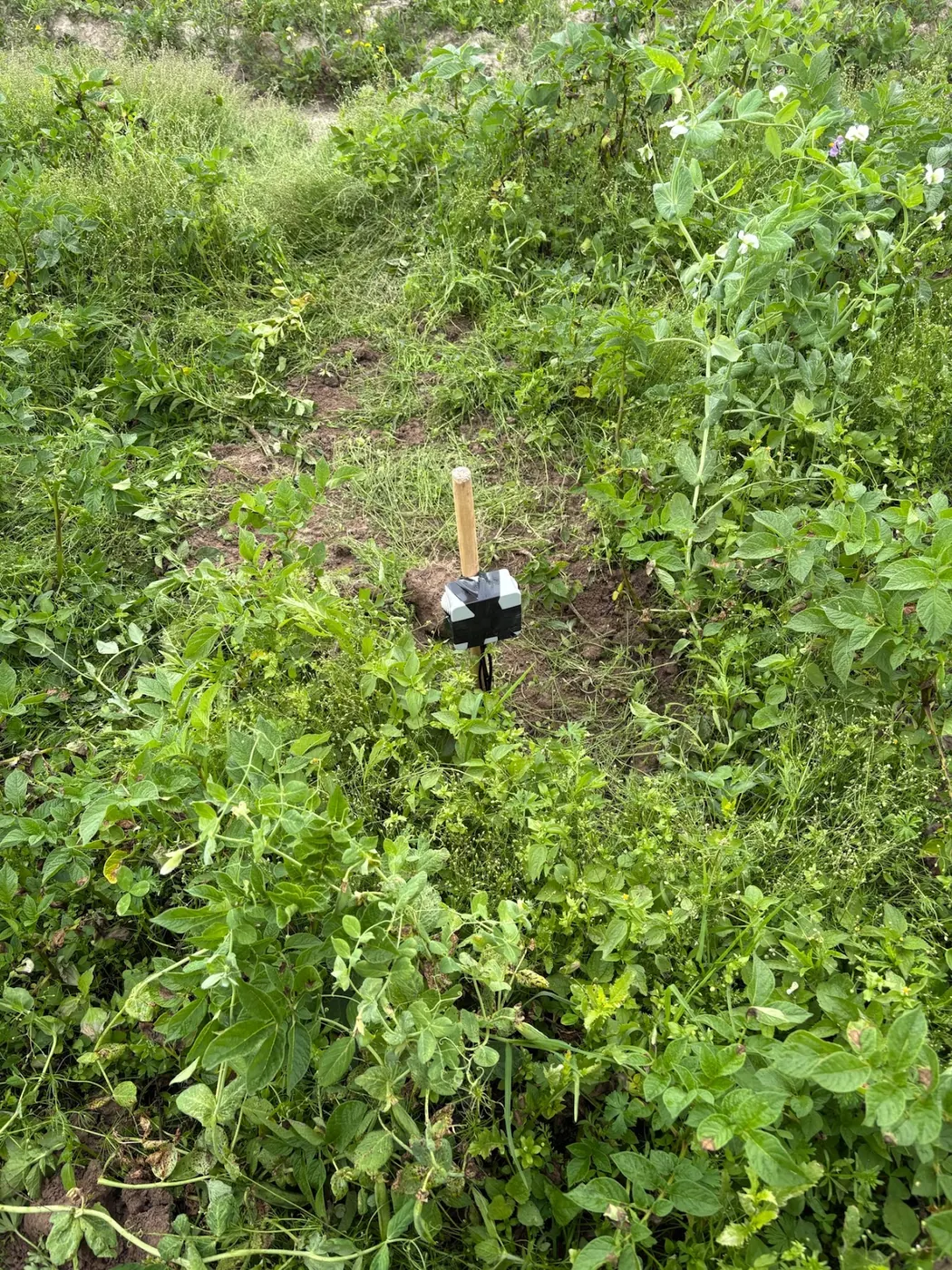
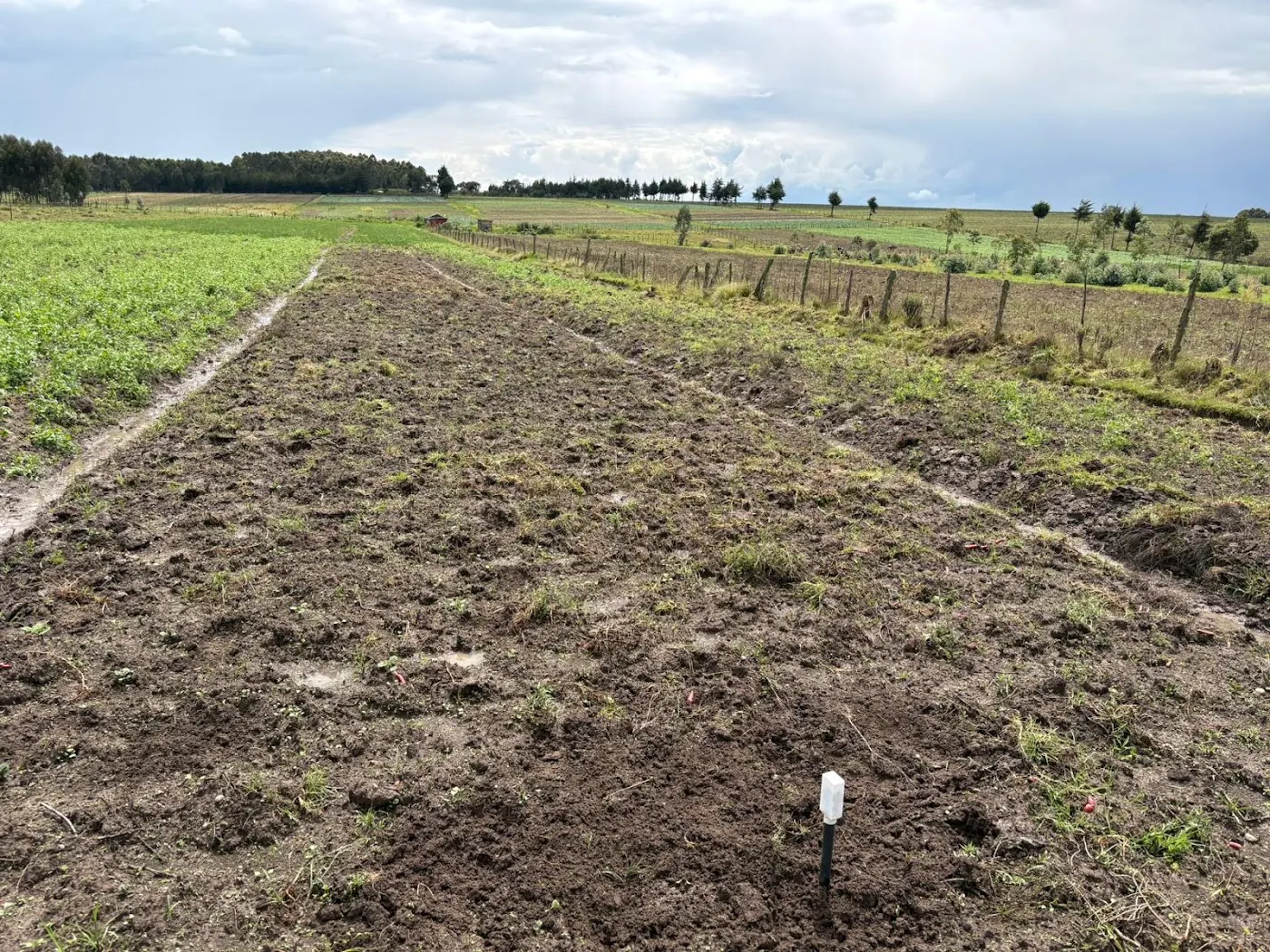
No one publishes a trustworthy per-acre price for any of the three in Kenya, so the choice turns on timing. September rainfall at our station sites has swung from 5 mm to 79 mm across 43 years, which is why a fixed booking date fails.
Who sells farm technology in Kenya, and what they deliver
An importer, an app company, a tractor-sharing platform and a cooperative are not selling the same thing. Three questions sort them: who repairs it, who carries the loan if the season fails, and who stays once the warranty or pilot ends.
Which farm apps Kenyan growers actually keep using
When M-Farm sent prices by text, the share of farmers asking middlemen fell from 50 to 23 percent, and growers paid 10 KSH a message instead of the usual 1. That is the test to hold the next app against.
How to work out if farm sensors will pay on your farm
No published figure says how many acres a sensor system needs. US corn data puts savings at $13 to $25 an acre, and one cited sensor set at $8,000, which is the sum you can rerun with your own quote and crop.
Your own weather station can tell you when to spray, even without a forecast
A survey of 217 smallholders in South Africa's Eastern Cape found forecast access follows radio, phone, land size and extension contact. Across our five stations, a good spray window existed in only 19 percent of hours last month.
Farm tech in Kenya: apps, sensors, extension or automation?
Of 4,126 smallholders trained in one World Bank project, just 394 were still logging afterwards. That gap, not the hardware spec, is what decides whether a purchase pays back on your block.