Practice Notes
Farm technology on Kenyan farms - sensors, drones, apps and machines - judged by what the instruments recorded rather than by what the brochure promised.
Satellite crop monitoring: what a field index shows from space
A free 30-metre image gives a five-acre plot about 22 squares, and most of them touch the track, the hedge or the neighbour's crop. Read the anomaly and the spread bar rather than the colour, then walk the field.
Grain moisture meter: the reading that decides when to store
Maize leaves the cob at 25 to 30 percent moisture, but an ordinary meter stops being reliable above 22 to 24. Hot grain reads at least 1 to 2 points low, and most bad storage calls start with the sample, not the meter.
GPS guidance on a tractor: what it saves in seed and fuel
The only measured figures come from a Georgia forage bulletin: 5 percent overlap with foam markers, under 3 percent with a lightbar. Here is the per-pass sum you can do on a phone, and the three inputs no source supplies.
Hand planting or a planter: what mechanised sowing changes
In a four-county Kenyan survey, 30 percent of farmers used a jab planter and 20 percent a tractor planter, hired through groups of 15 to 30 members. Depth, skips and the passes you remove decide which one earns its cost on your plot.
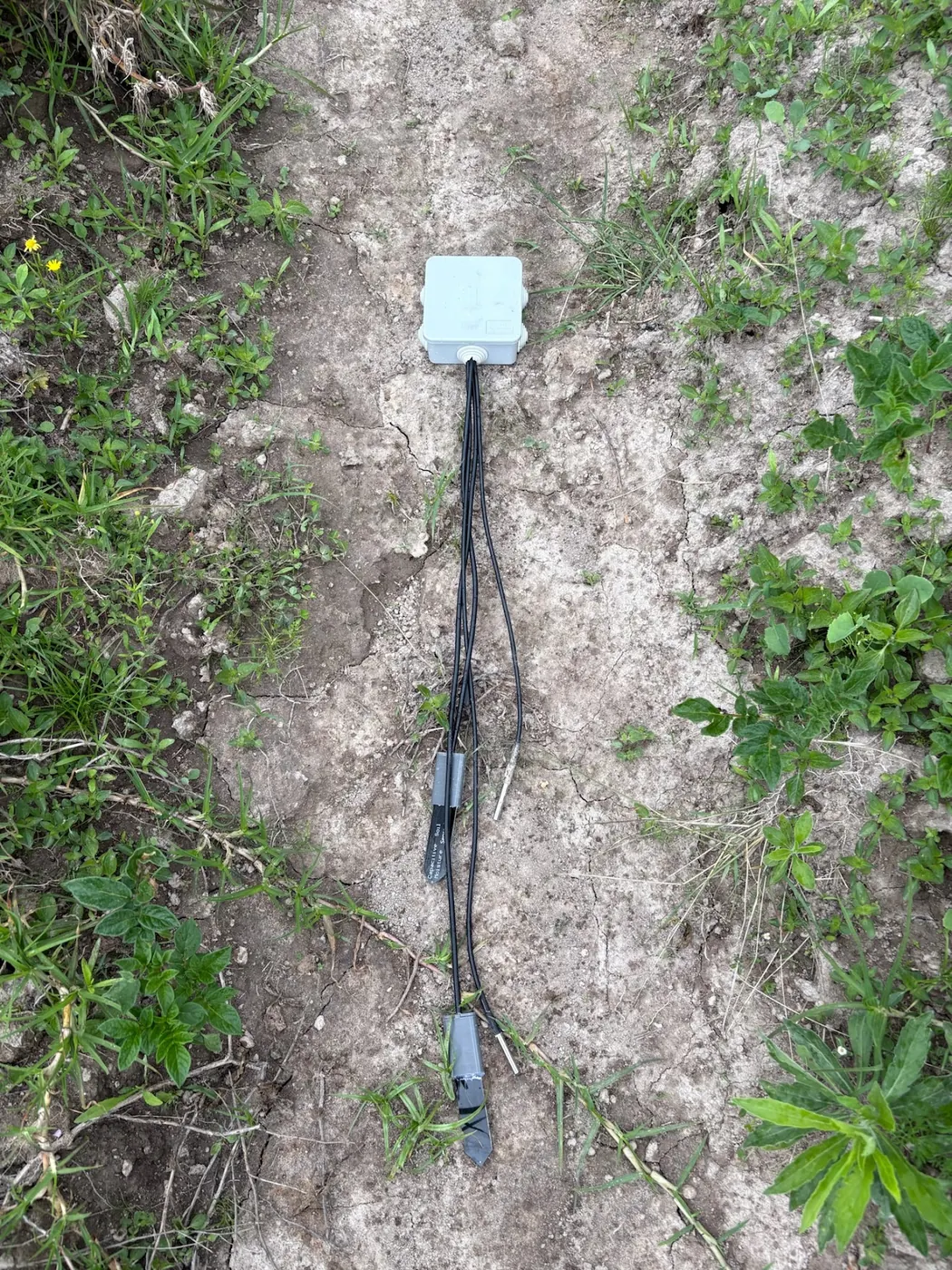
Automated drip irrigation: what the controller does and costs
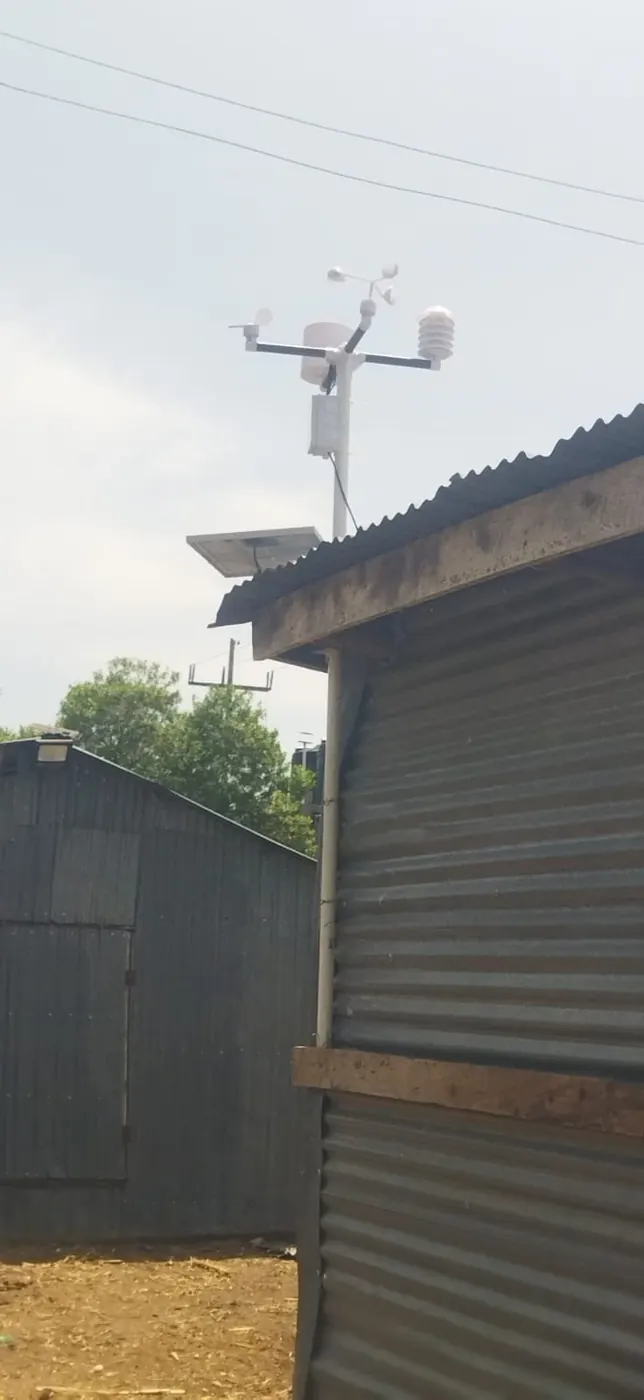
The box knows two things: days and minutes. It cannot see rain, a clogged filter or a low tank. Here is each part in the order the water meets it, the figures that govern them, and the three tests to run before the dry season.
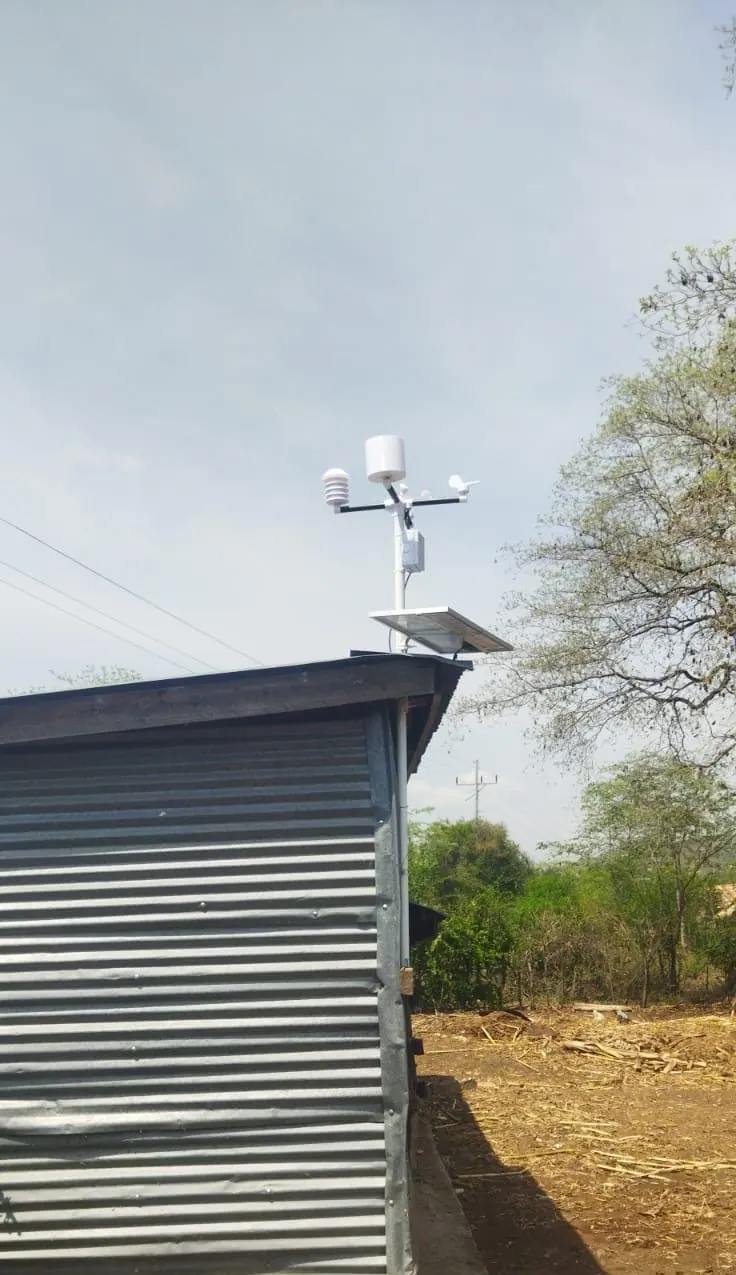
Solar cold room or evaporative cooler: keeping produce cool off-grid
A charcoal cooler drops produce 3 to 10 °C below ambient, and only the top of that range in hot dry air. Across 13 Kenyan stations the air averaged 19.9 °C and 67 percent humidity, which is where the cheap option does least.
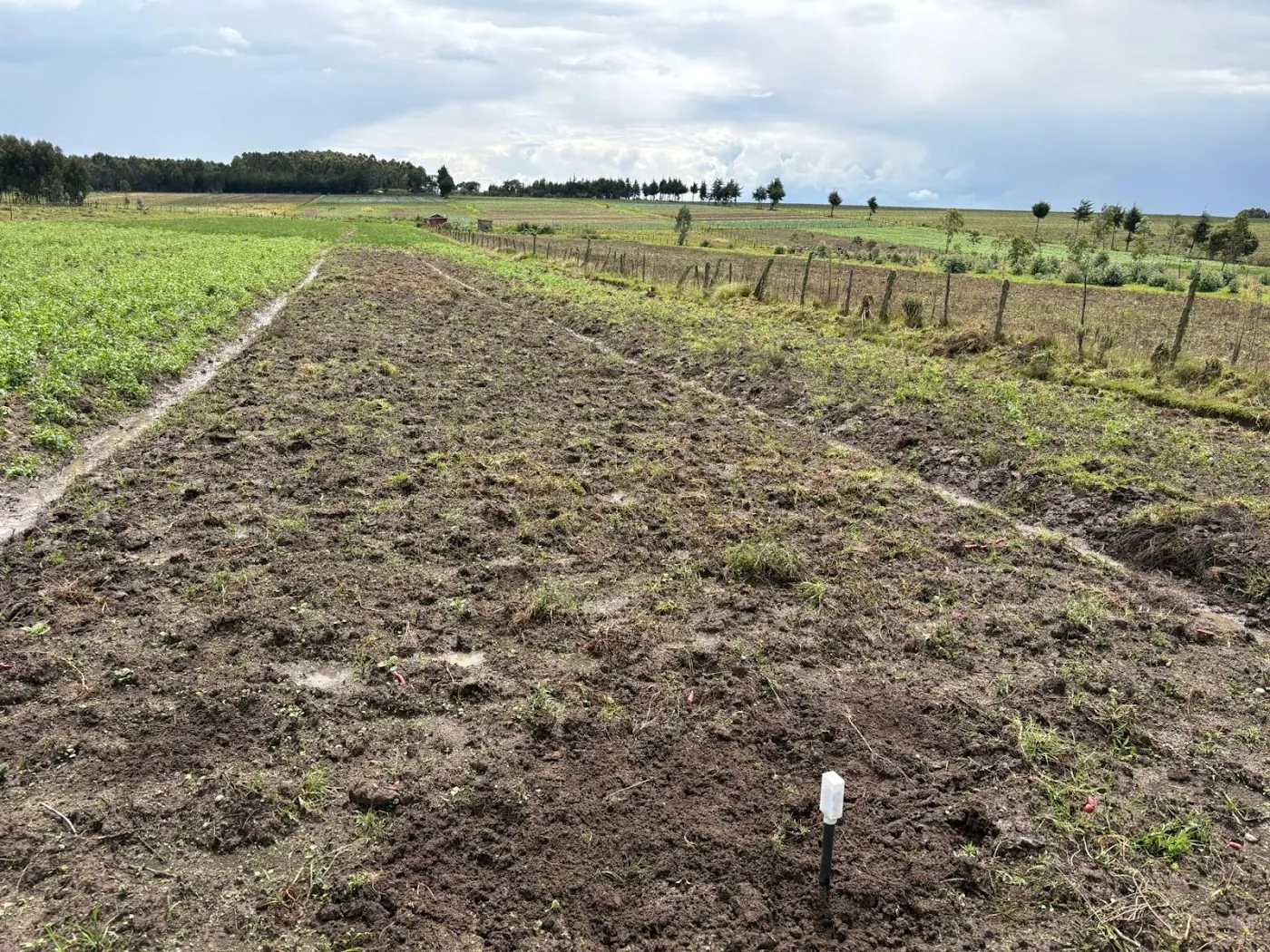
Solar water pump or diesel: the running cost over five years
Where the two were measured side by side, solar cost 2.14 times as much up front, ran at an eighth of the cost, and was ahead on money after five years. Whether that holds on your farm depends on hours, head and your diesel price.
AI farm advisors: what a virtual agronomist can answer
A chatbot names a disease and a product in seconds, and a bag is bought before anyone checks the diagnosis. Four things the answer assumed about your field, and how to test each one for the price of airtime.
Spot spraying with a camera: how much chemical it saves
The best-documented trial ran in US soybeans: about half the chemical on one pass only, and a $25,000 upgrade needing 819 acres to pay for itself. Also why the setting that saves most chemical grows next season's weed bill.
Farm records: paper, spreadsheet or app
Seven columns cover most farms: date, field, inputs, labour, harvest, buyer and rainfall. A World Bank pilot in Kenya and Uganda logged 394 active logbook users, and only after trained lead farmers and a Nairobi developer stood behind it.
Drone mapping of a farm: what the images show and cost
A flight gives you a boundary, a plant count, a stress map and dated damage photos. It gives you no diagnosis. Documented foreign service rates start near USD 14 a hectare, and no Kenyan mapping price is on record.
Farm drones in Kenya: the rules before you fly
The 2020 Regulations set out three separate instruments, not one licence, and line of sight decides how big a block you can legally work. For most single farms, hiring a licensed operator carries far less paperwork than buying.